The more you try, the more you learn
Pauline and Tor reflect on how their internships challenged them to grow, what they learned along the way and how the experience helped them better understand their own strengths and interests.
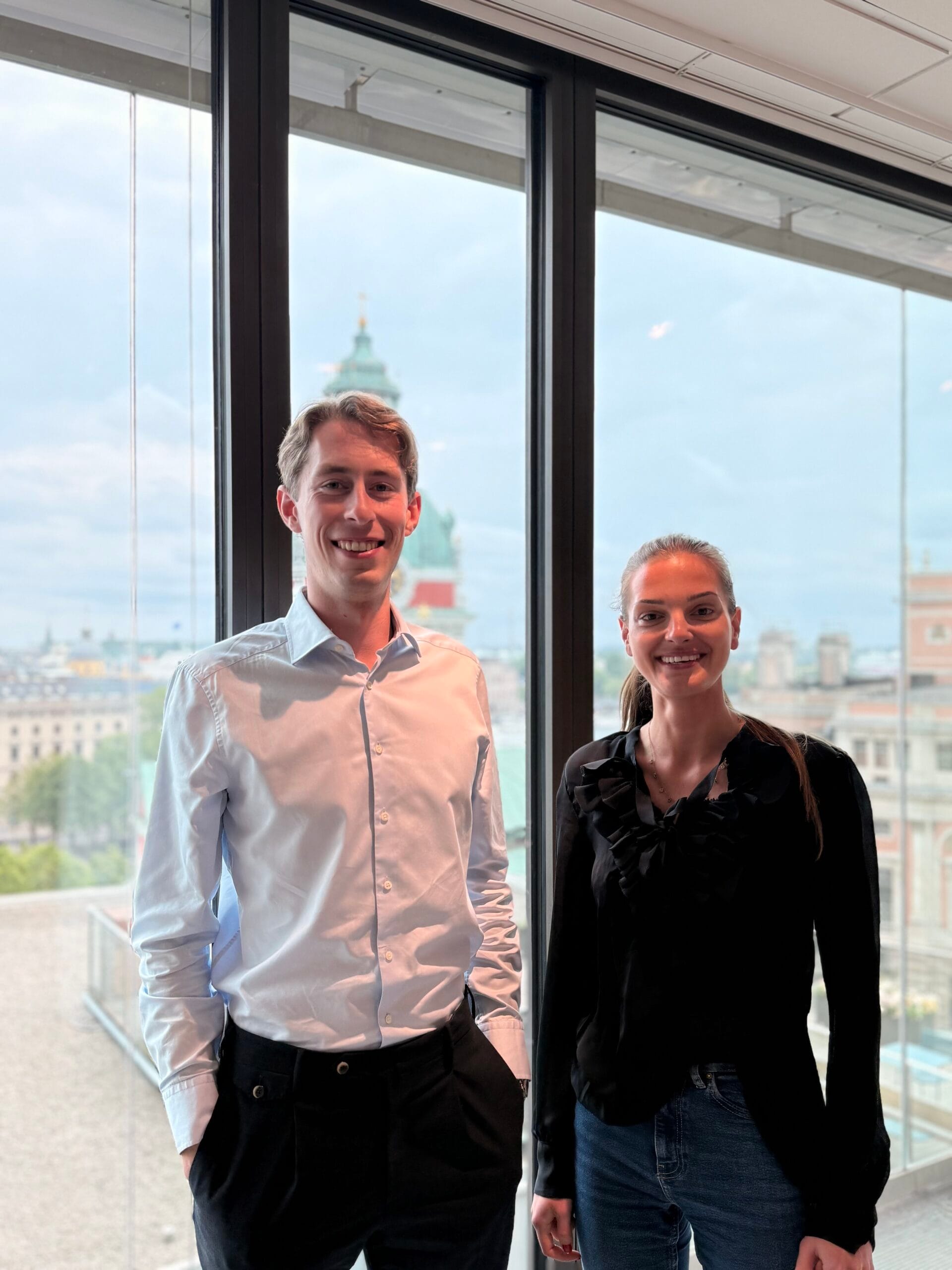
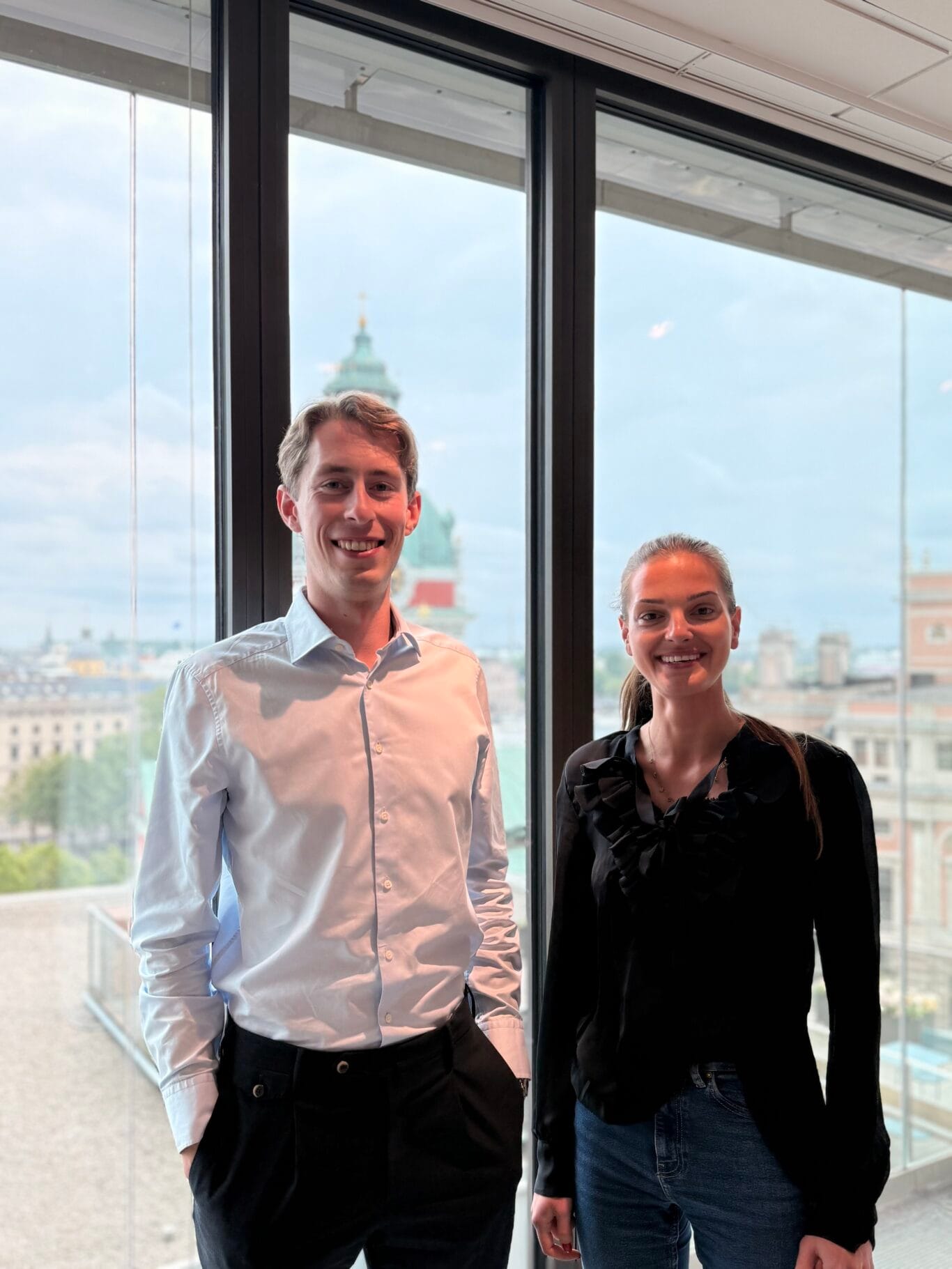
Former interns Pauline Gottschlich and Tor Hillström spent spring 2026 at Altor’s Stockholm office. We spoke to them about what surprised them, what they learned, and how the experience helped them better understand their own strengths and interests. They also share their advice for anyone considering applying.
You had quite different experiences before joining Altor. What made you want to try private equity?
Pauline: I study Industrial Engineering and Management at KTH and had previously interned within Leveraged Finance at Nordea and Corporate Finance at ABG. I was quite intentional about using internships to try different things. I had seen the debt side and the sell-side, and wanted to understand what it was like to sit on the investor side.
Tor: I also study Industrial Engineering and Management, but at Lund University. My path was a bit different. I did military service after high school and have since spent time at a consulting firm and a smaller tech start-up. For me, internships have also been a way of testing different things.
Pauline Gottschlich, Former intern at Altor“You are expected to have a view, and that it does not always have to be right”
How quickly did the responsibility come?
Tor: Pretty quickly. I remember working on a project and realising before a check-in that no one else was working on that particular piece. I needed to have something to bring to the discussion. That was when it clicked that you cannot always wait for someone to give you the next task. You have to help move things forward.
Pauline: That responsibility can definitely feel a bit uncomfortable at first, but those are also the situations where you learn the most. You stop assuming someone else will check everything five times after you. People are actually going to use your work, so you take ownership of it in a different way.
What do you feel you have learned?
Pauline: For me, it has been learning to think much more commercially. Coming from banking, I had done financial analysis before. Here, the questions became broader: Is this actually a good business? Why? What could it become?
But internships also teach you something about yourself. The more you try, the more you understand what you enjoy, what you are good at and where you have the most potential.
Tor: I have been surprised by how broad the learning is. You look at so many companies and industries, including plenty I barely knew existed before.
You also learn a huge amount from the people around you. Sometimes it is just sitting in a meeting and hearing which questions are being asked. You are never the smartest person in the room, which is probably a very good place to be if you want to learn.
You were both part of a larger intern group. Does that help?
Pauline: A lot. It gives you a group of people who are going through exactly the same thing.
Tor: We also have different backgrounds, so people know different things. Someone may understand financing really well, while someone else has worked in a particular industry or already dealt with the problem you are facing. It gives you people to bounce ideas off.
What advice would you give someone thinking about applying?
Tor: Be curious about businesses, not just finance. Think about companies you come across in everyday life: what makes one business better than another, and what would you want to understand before investing in it?
That mindset is useful both in the interview process and once you start. It is probably more valuable than trying to memorise the “right” answers.
Pauline: I would say: just apply. I think people can convince themselves that everyone else will know more, have done more internships or somehow be more prepared.
But there is no single background, and you are not supposed to arrive knowing how to do the job already. The point is that you learn.
Published: Sep 17 2026
Related
Conversation | Our team
Partner Election
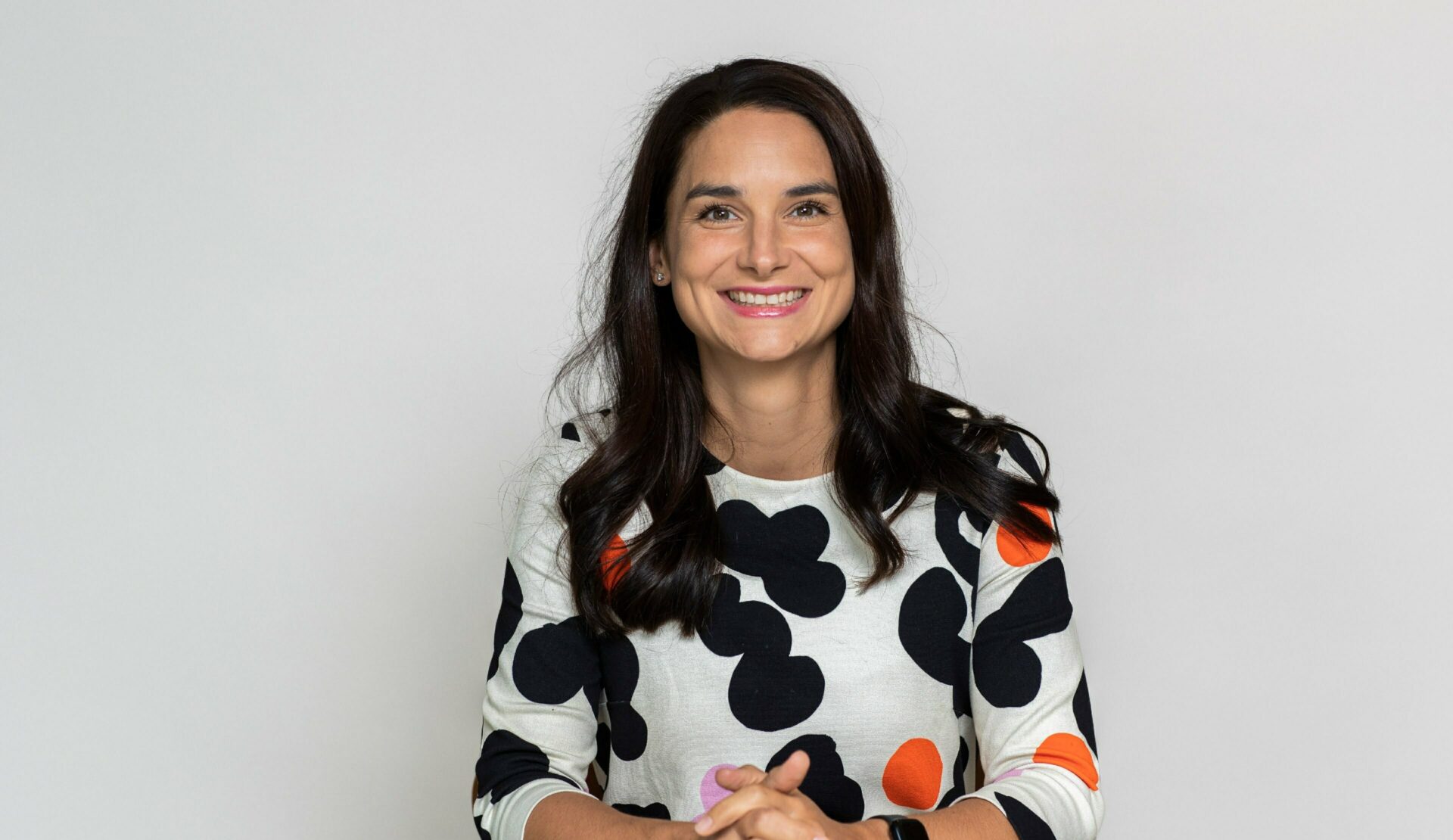
Since joining us as an Associate in 2014, Clara has been at the heart of many of our most recent investments. Her unwavering dedication, insightful perspectives and contagious energy have strengthened partnerships like NLTG, Network of Design, Circulose, Aira, and Permascand.
Conversation | Our team
You grow and get to learn by doing
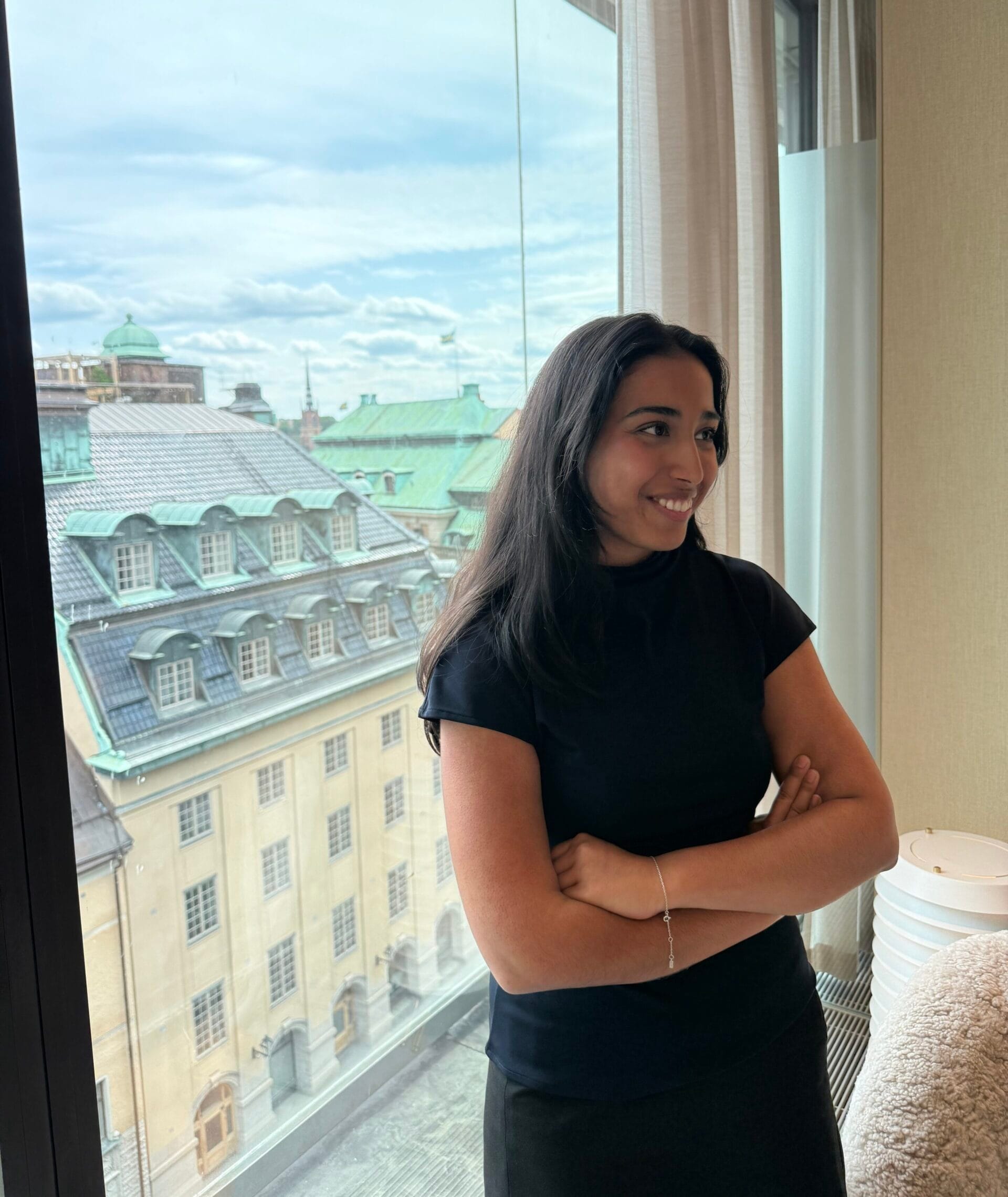
Urvi highlights responsibility as one of the themes from her internship and and how trust from the team made her excited to take it on.
Conversation | Our team
Celebrating success
Today we announce our latest promotions and highlight some of their many achievements in the past year.
Conversation | Our team
Celebrating recent promotions
They are ambitious, hardworking but at the same time just amazingly warm colleagues to have around. And they have all delivered some outstanding results in the companies they partner with.
Conversation | Our team
Embracing Curiosity – introducing Julius Höh
It is really about listening. If you want to succeed, you have to nurture your curiosity and look at how you can challenge what is a proven formula – that you do best by 'being out there', seeking new people and territory.
Conversation | Our team

A year like no other
Altor has made a number of investments and partnerships with successful brands across the consumer sector. We sat down with our Consumer-sector team to hear their thoughts on 2022 and what they believe 2023 will bring.
Conversation | Our team
Above 100 employees!
We are growing and have just reached above 100 employees. And our ambition to attract and hire new talent to our sectors and offices will continue.
Conversation | Our team

Growing in DACH
At inception, Altor was dedicated to the Nordic markets, but we have since expanded to DACH (Germany, Austria, Switzerland). After a number of exciting investments and several new opportunities, our DACH team is growing.
Conversation | Our team
Promotions worth celebrating
Altor continues to grow and with that – the team within Altor grows and we have the chance to celebrate a few promotions.
Conversation | Our team

Celebrating our newest promotions
Entrepreneurs, investors, colleagues. Altor's growth has always come from people, and the commitment and care they bring. Today, we celebrate that growth from within.
Conversation | Our team

Celebrating well-deserved promotions
In the past 20 years, Altor has grown rapidly. By this, we are referring not only to the continued trust from our existing and new investors or the brilliant entrepreneurs joining our community. We are also growing from within.
Conversation | A day at Altor
Finding my pace in a new city and workplace
In this article series we welcome you to meet some of our esteemed colleagues. Meet Andrea Siaw, Sustainability Value Creation Manager at Altor
Conversation | Our team
A closer look at the Financial Services Sector
In this film, you are invited to have a closer look at the financial services sector with Altor. The outstanding track-record and the people who make it happen.
Conversation | Our team
Connecting classrooms with career opportunities
We can collaborate with our companies beyond just being an active owner from a financial perspective. This collaboration has been so powerful, and we are only starting to understand the opportunities for the impact we can unlock.
Conversation | Our team
Recognizing our latest promotions
Altor continues to grow and with that we have the chance to celebrate a few promotions.
Conversation | A day at Altor
Moving to Zurich was both a very personal and professional decision
While no day is the same, this article series tries to capture what goes on in the lives of some of our esteemed colleagues. In this piece we meet Niklas Mattsson, Senior Associate at Altor who moved to Zurich as part of our Secondment program.
Conversation | Our team

Promoting true team players
Join us in celebrating our latest promotions at Altor
Conversation | Our team

Thoughts from my first weeks
I think for us interns, we are all on our way towards something, it may be continued studies, possibly another internship or the first full time job. Altor is for us and me an important step on that journey – it helps us to figure out the direction we want to take.
Conversation
It’s time to wrap up the year of 2023
We put together Altor’s wrapped to show what sparked the interest among you the most. Have a look. A hint, we seem to have a lot in common.
Conversation | Spotlight
Peeling off the layers to discover the truth
Ellinor Peters is Altor’s new Head of HR. Only three weeks in – its crystal clear that her role is key for the company’s success.
Conversation | Spotlight

Trust me, you’ll want to move in.
Every year we are looking for curious students to join our team as Investment Interns. Hoping that in a few years’ time, we’ll work side by side again.
Conversation | Our team

New Partner
We are thrilled to announce this noteworthy promotion. Jens Browaldh who has long been an important part of driving the Altor community forward has now been promoted to Partner.
Conversation | Spotlight
What the world needs now
“This is the decade of action,” says Stephanie Hubold, Head of Sustainability. Watch the interview and learn more about Altor’s commitment.
Conversation | Spotlight
Making batteries greener
Hear Tom Jovik, Principal at Altor, explain how Vianode is changing the synthetic graphite industry and making batteries even greener, in this 2-minute interview.
Conversation | Spotlight
Driving the green energy transition
Watch the interview with Matilda Elfving Hauan, Director, talking about partnering up with Svea Solar and OX2, two companies building new green business within the energy industry.
Conversation | Perspective
Tech take-over
Technology continues to reshape the world, with underlying secular trends driving strong growth for the decade to come. From scaling SaaS companies, indie-gaming to digital consultancies, in the last years, Altor has heavily increased the investments and partnerships in the sector. Let Mattias Holmström explain why.
Conversation | Spotlight

Value creation thanks to high ESG performance
Stephanie Hubold joined Altor with a mission. “ESG-topics are too often looked at from a pure compliance and risk angle.” she explains. “Actually, high ESG performance can be an important driver of financial value creation.”

